ADA website & digital accessibility advocacy

English · Español · Русский · Interpretation available

Attorney Advertising · Usher Law Group P.C. · Brooklyn, New York

THIS DEVICE

Reading options

Adjust this website on this device. Your browser and assistive-technology settings continue to work normally.

Encountered a barrier on this website? Call (718) 484-7510 or email info@usherlegal.com.

ADA & DIGITAL ACCESS LAWYERS USHER LAW GROUP P.C.

A website or business shut you out? Put an ADA lawyer on your side.

We are ADA lawyers for blind, low-vision, Deaf, hard-of-hearing and mobility-disabled people in New York, New Jersey and Florida. If a screen reader, braille display, magnifier, keyboard, captions or interpreter should have worked and did not, tell us what you were trying to do and what stopped you. A lawyer will look at it and explain your options.

  • A lawyer reviews every inquiry
  • No technical diagnosis required
  • VRS, relay & interpreters welcome
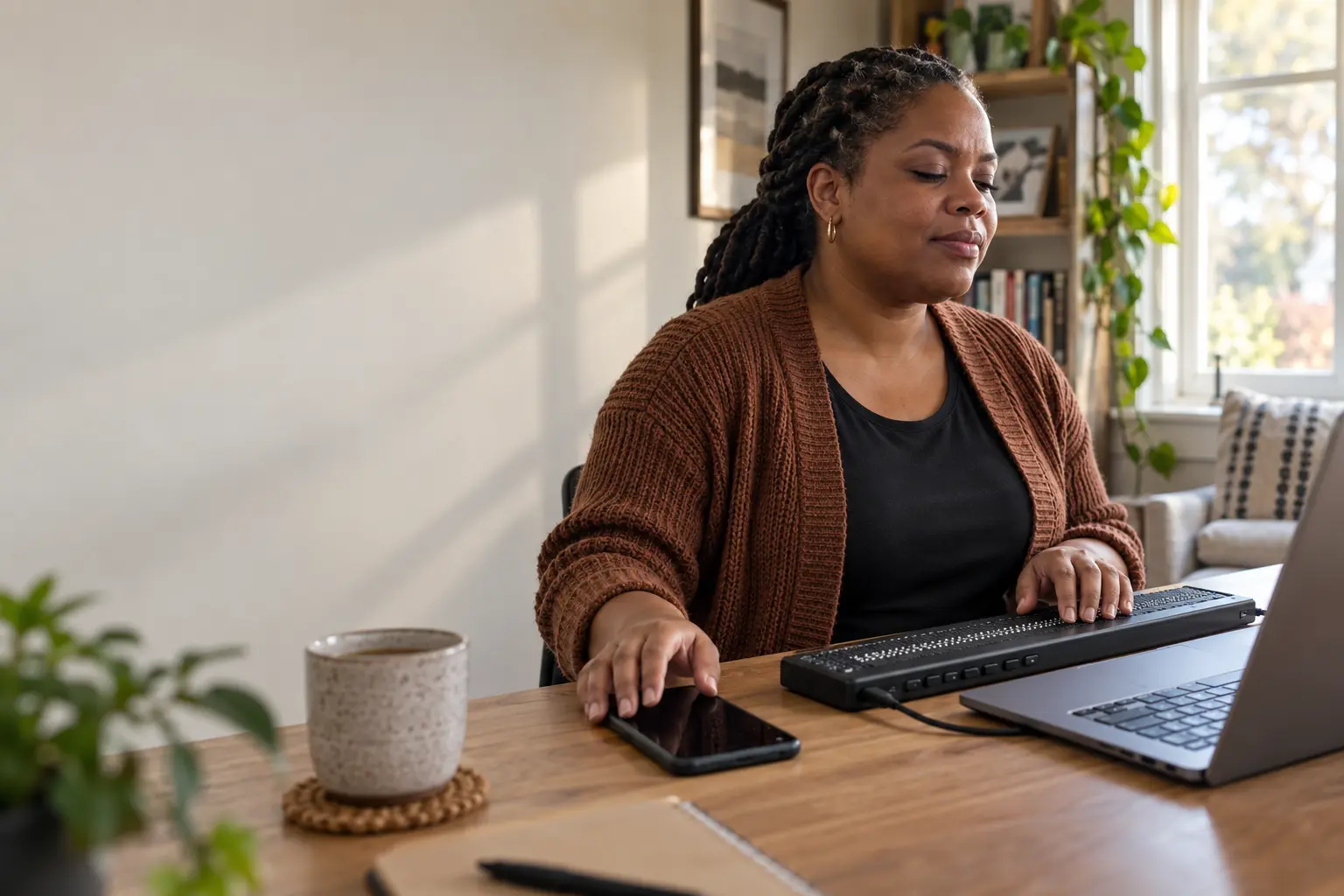
A blind adult using a smartphone, laptop, and refreshable braille display at home.

START HERE Pick the closest match

What stopped you?

USEFUL TO SAVE

  • The website, app, and exact page
  • The task, date, and time
  • Screenshots, recordings, or error text
Continue with these facts

None of these fit? Contact us anyway. A lawyer decides what matters.

Three attorneyson staff, with legal support staff
20+ yearscombined legal practice
Federal courtsNY · NJ · FL · PA districts
NY · NJ · FL · PAadmissions across the team

01 / YOUR LEGAL TEAM

Meet the lawyers who will assess your claim—and explain your options plainly.

Three attorneys on staff lead the work, supported by the firm’s legal staff. Prospective matters receive attorney oversight from the beginning, with the depth needed for evidence, briefing, deadlines, filings, and client communication.

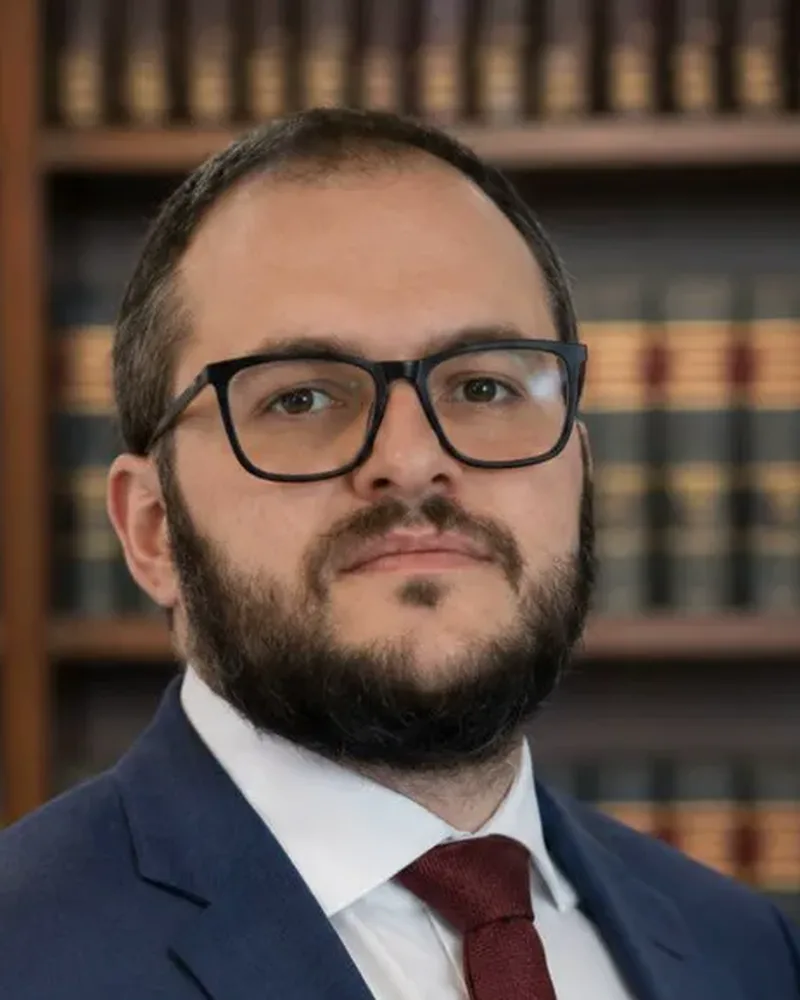
Mikhail Usher, Esq.01

Founding & Managing Attorney

Mikhail Usher, Esq.

Strategy, negotiation & federal litigation

Mikhail founded Usher Law Group and has practiced since 2011 in the state and federal courts of New York, New Jersey, and Florida. He has argued before three federal courts of appeals and sets the strategy on every access matter, from the first assessment through negotiation, motion practice, trial, and appeal.

  • Case and jurisdiction assessment
  • Pleading, discovery, and motion strategy
  • Federal written and oral advocacy
Education
Brooklyn College (CUNY) · St. Thomas University School of Law
Admissions
NY · NJ · FL · EDNY · SDNY · NDNY · DNJ · SDFL · MDFL · First, Second & Third Circuit Courts of Appeals
Read full attorney profile
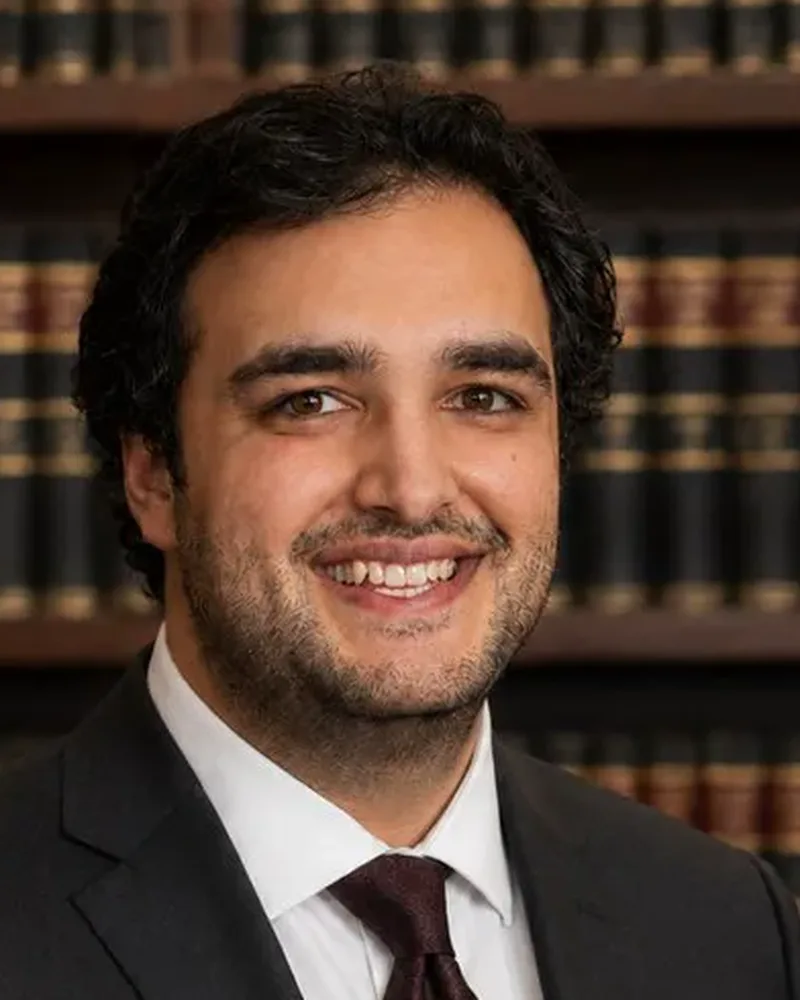
Alexander Susi, Esq.02

Senior Associate Attorney

Alexander Susi, Esq.

Research, briefing & appellate advocacy

Alex handles ADA-access claims, federal civil litigation, mandamus actions, appeals, and arbitration. His research and briefing test the legal theory against the facts, record, statutes, and procedure.

  • Federal claim and jurisdiction research
  • Motion and appellate briefing
  • Detailed record and risk analysis
Education
New York University · Boston University School of Law
Admissions
NY · NJ · PA · WDPA
Read full attorney profile
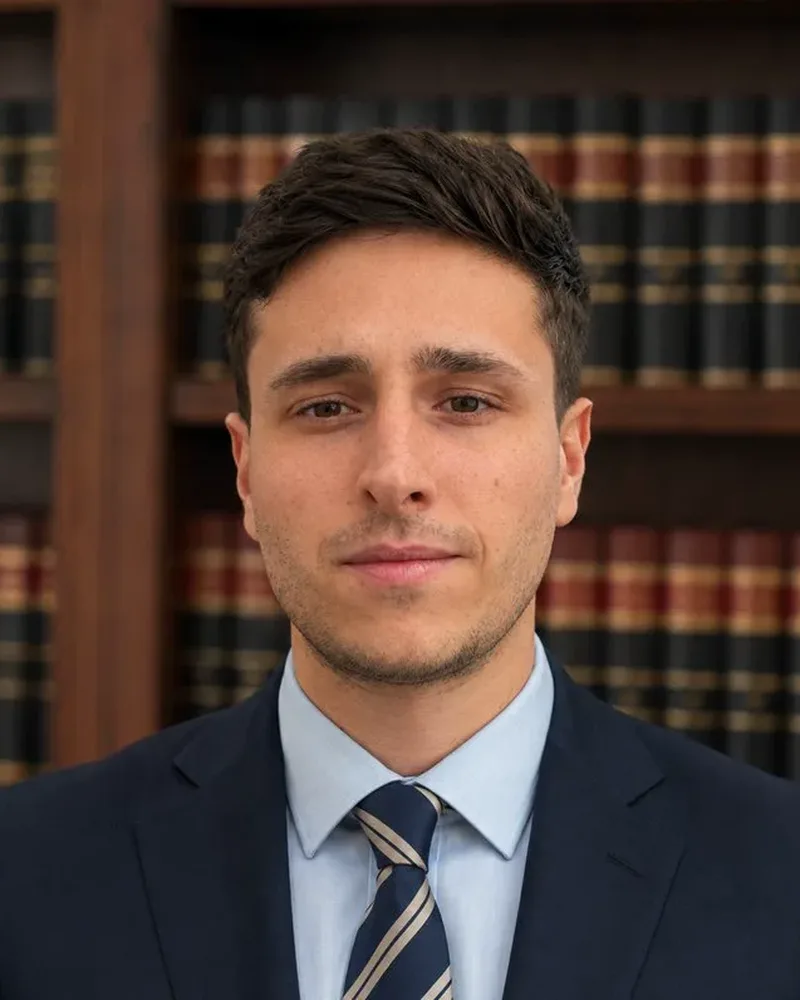
Mitchell Bromberg, Esq.03

Associate Attorney

Mitchell Bromberg, Esq.

Evidence, federal research & briefing

Mitchell works on ADA-access, civil-rights, mandamus, and other federal matters. Admitted in EDNY, SDNY, and DNJ, he develops the evidence, chronology, research, and briefing needed to present a claim clearly.

  • Evidence and chronology development
  • Accessibility and technical-record review
  • Federal research and brief preparation
Education
Hunter College (CUNY) · Benjamin N. Cardozo School of Law
Admissions
NY · NJ · EDNY · SDNY · DNJ
Read full attorney profile

THREE ATTORNEYS ON STAFF · SUPPORTED BY LEGAL STAFF

Bring the barrier to attorneys admitted in the federal courts for New York and New Jersey.

02 / RECOGNIZE THE BARRIER

You do not need the technical name. You need someone to understand the impact.

Begin with the ordinary thing you tried to do and what stopped you. Our lawyers can ask the legal and technical questions from there.

01

Screen-reader barriers

Unlabeled controls, missing image descriptions, confusing headings, and content assistive technology cannot interpret.

02

Keyboard traps

Menus, dialogs, calendars, and checkout controls that cannot be reached or completed without a mouse.

03

Checkout & booking failures

A barrier that stops a purchase, reservation, appointment, application, or account transaction.

04

Forms & documents

Fields without useful labels, inaccessible PDFs, unannounced errors, and forms that reset without warning.

05

Video & communication

Missing captions, inaccessible players, unavailable interpreters, or another failure of effective communication.

06

Low-vision & motor access

Poor contrast, blocked magnification, tiny targets, time limits, and interactions that fail with voice or switch control.

Not sure which category fits? That is completely fine.

See the barriers we evaluate

03 / WHY ACCESS MATTERS

This is about living your life without being shut out.

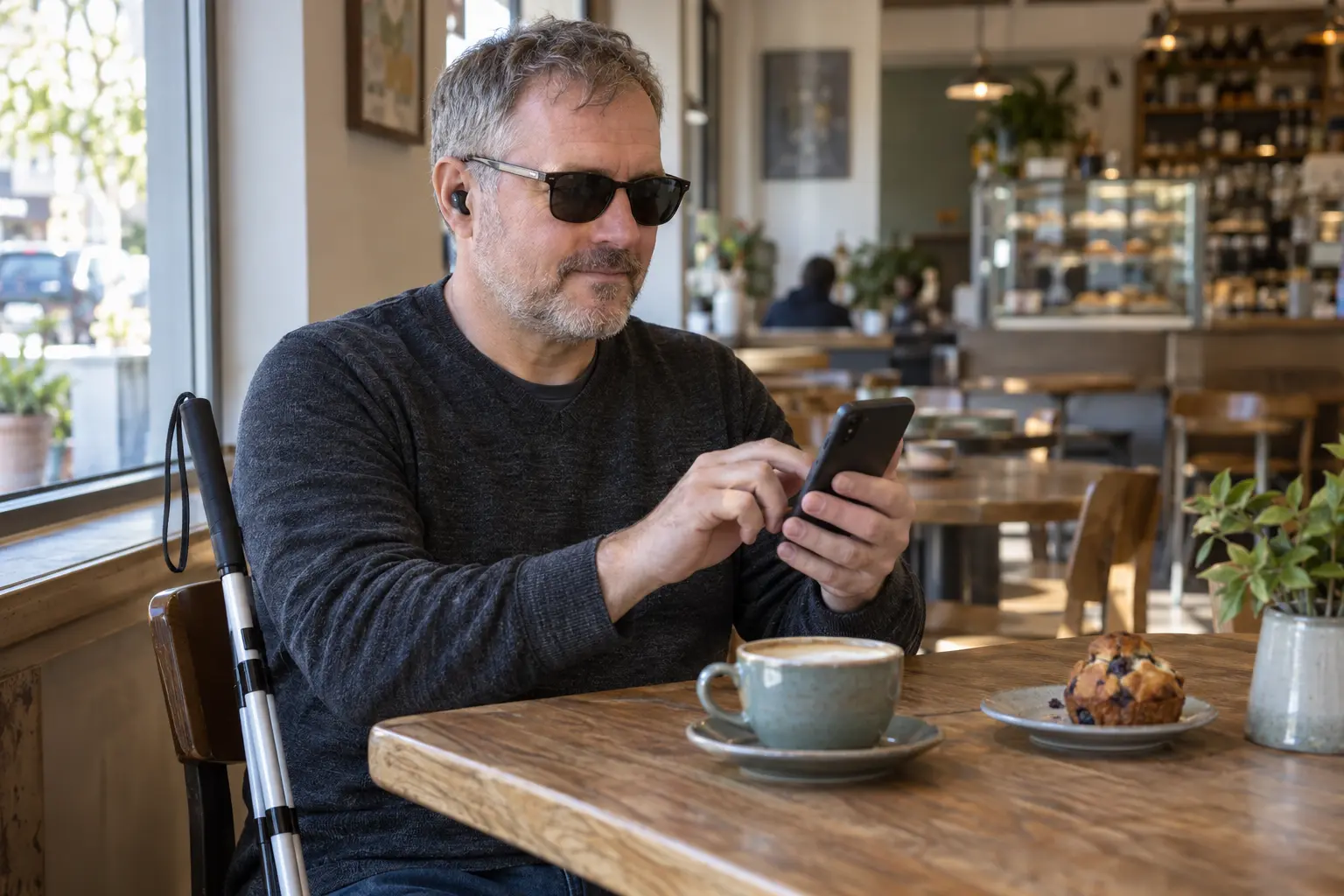
For a blind or low-vision person, one unlabeled button can close off an entire purchase, appointment, or account. Other access barriers can do the same in communication and physical spaces.

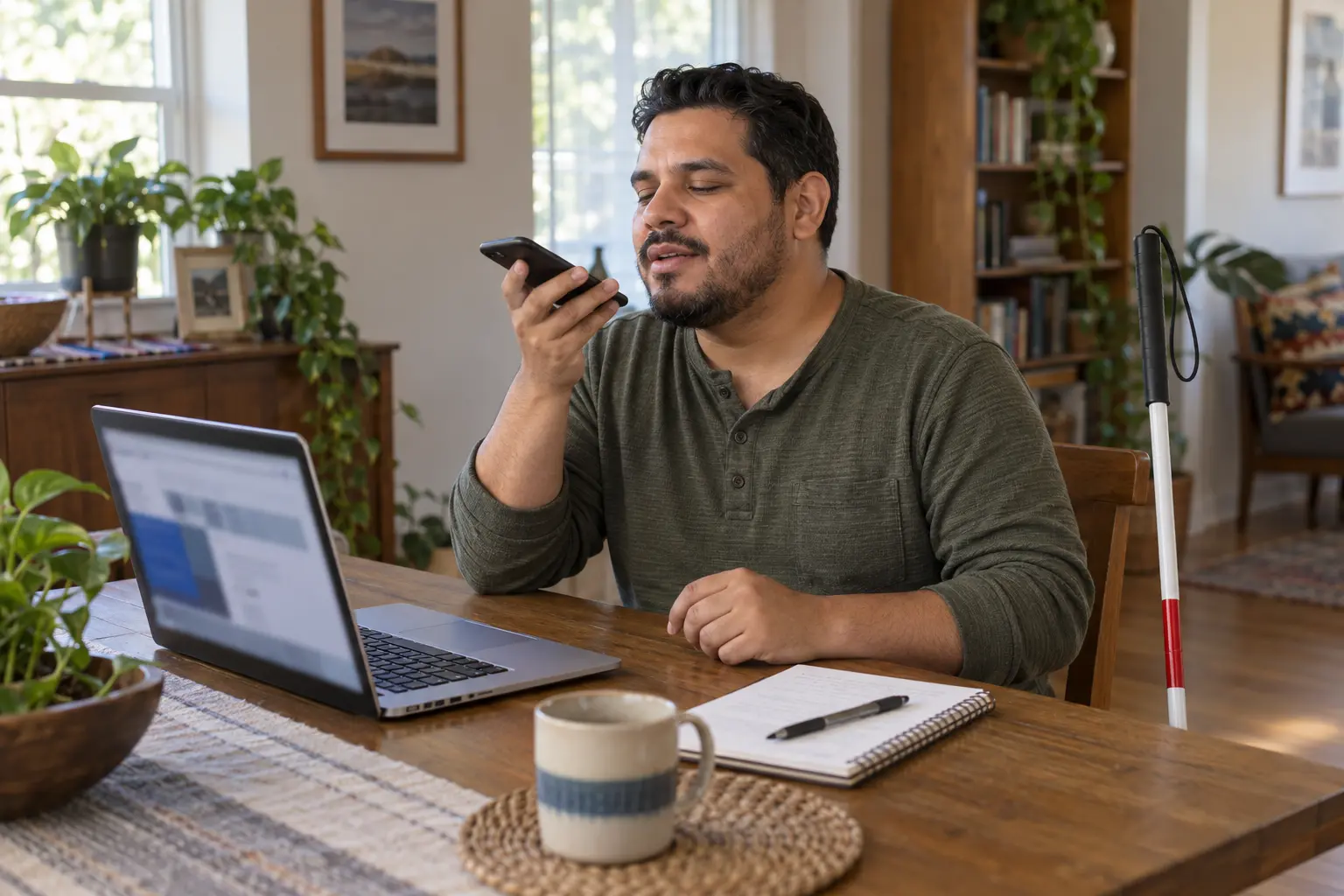
A blind man using a smartphone with a folded white cane beside him at a neighborhood café.

SCREEN-READER ACCESS

A reservation should not require another person.

Menus, booking tools, and payment controls should work with a screen reader from the first choice through confirmation.

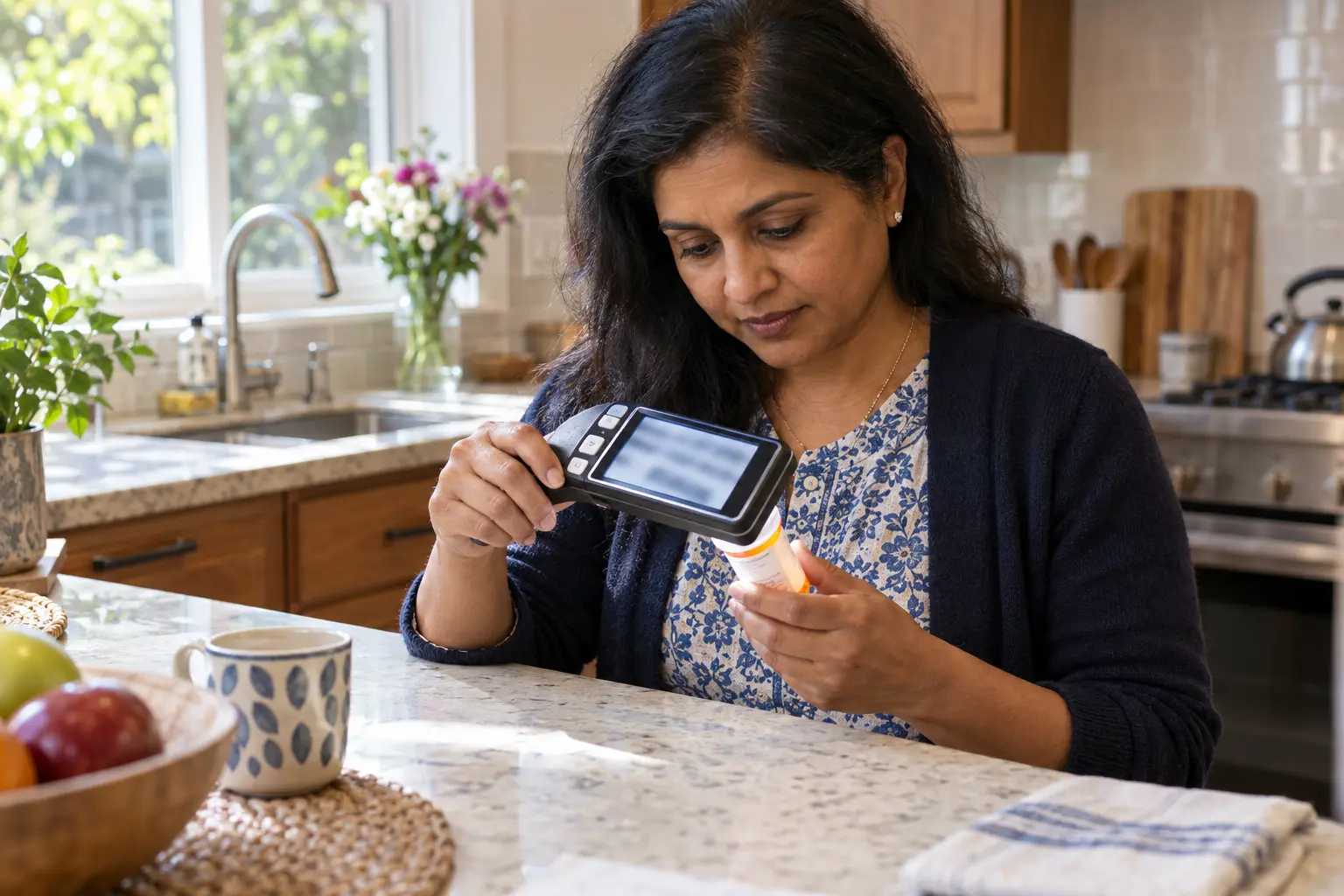
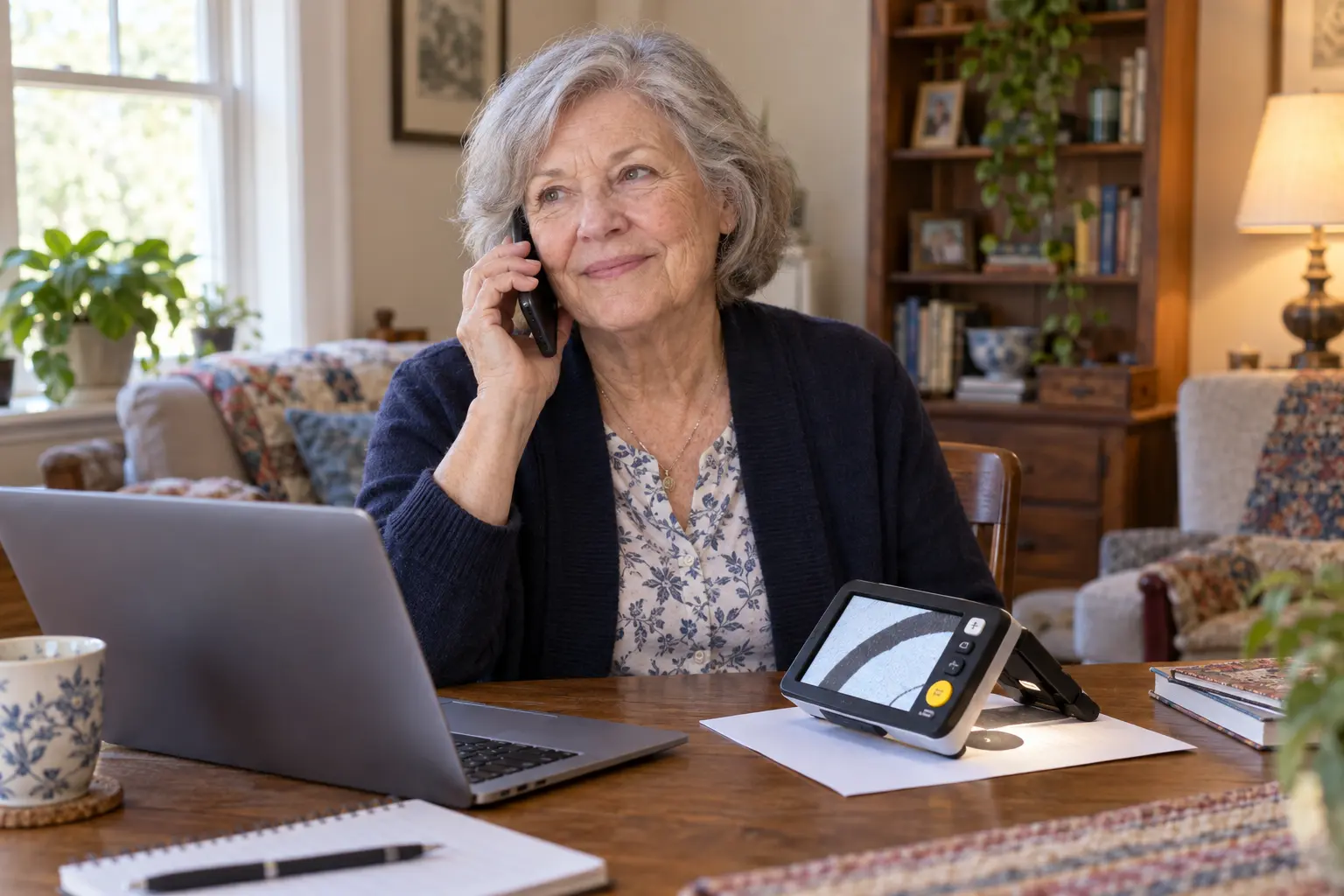
A woman with low vision using an electronic magnifier to read health information at home.

LOW-VISION ACCESS

Important information should be yours to read.

Labels, portals, documents, and instructions should remain usable with magnification and other low-vision tools.

Access affects the moments that make up a day.

The details are different. The right to participate is the same.
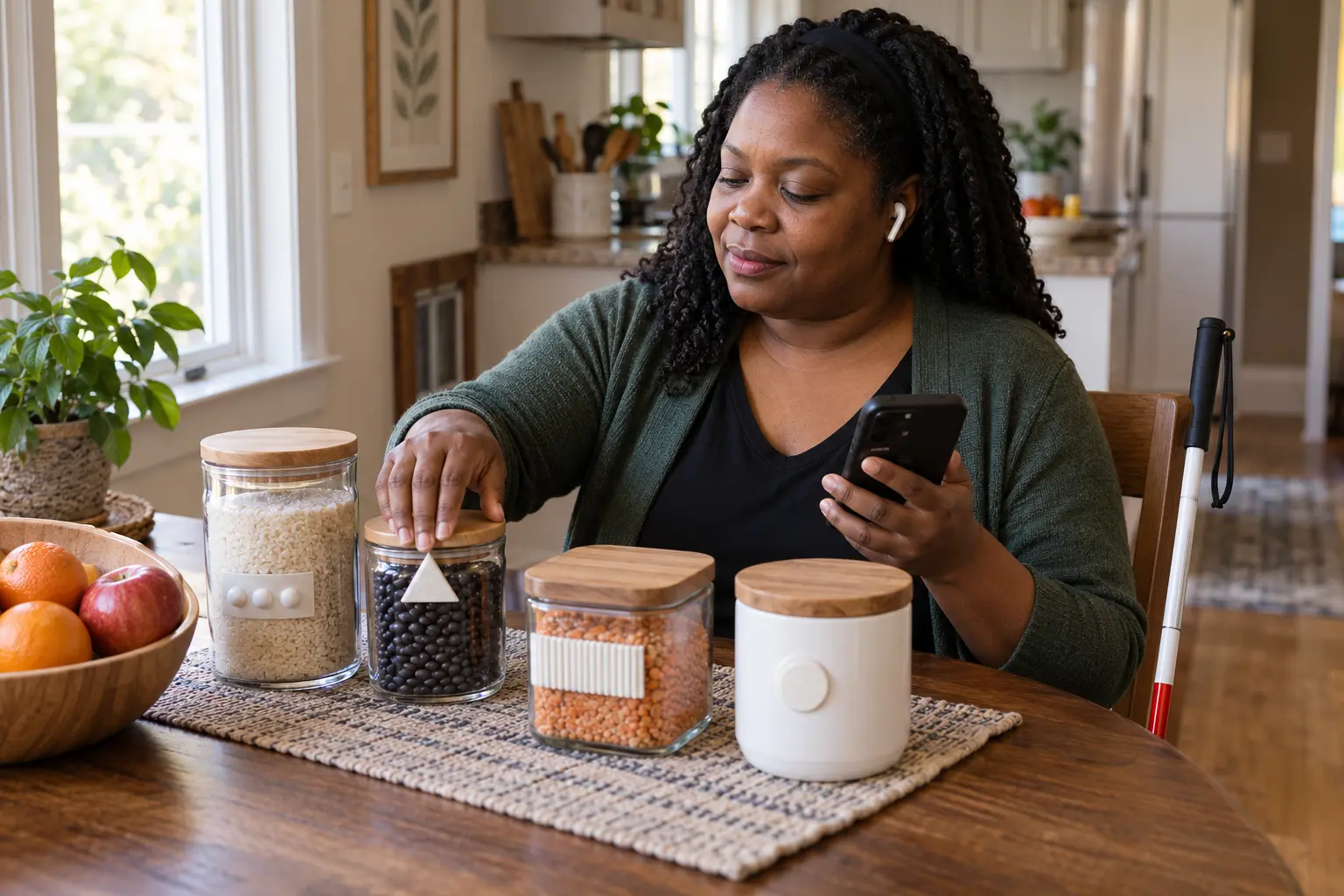
A blind woman using tactile labels and a smartphone to organize everyday items at home.

Daily independence

Everyday information should be available without sight.

Tactile labels and screen-reader access can make ordinary choices private, direct, and independent.

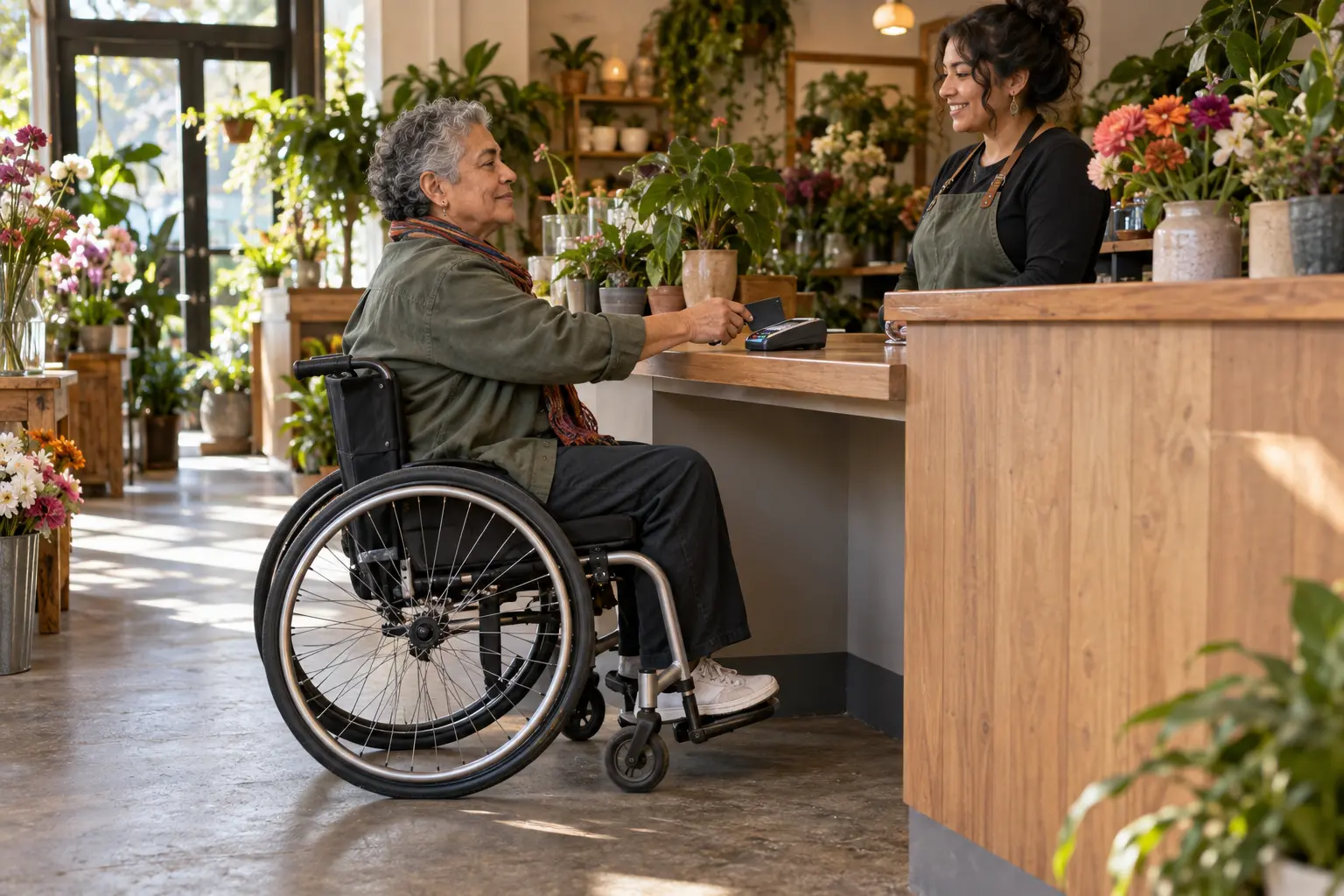
A wheelchair user receiving service at a welcoming neighborhood business.

Equal service

Independent access should be ordinary.

A counter, kiosk, policy, or booking process should not turn a routine errand into a request for special permission.

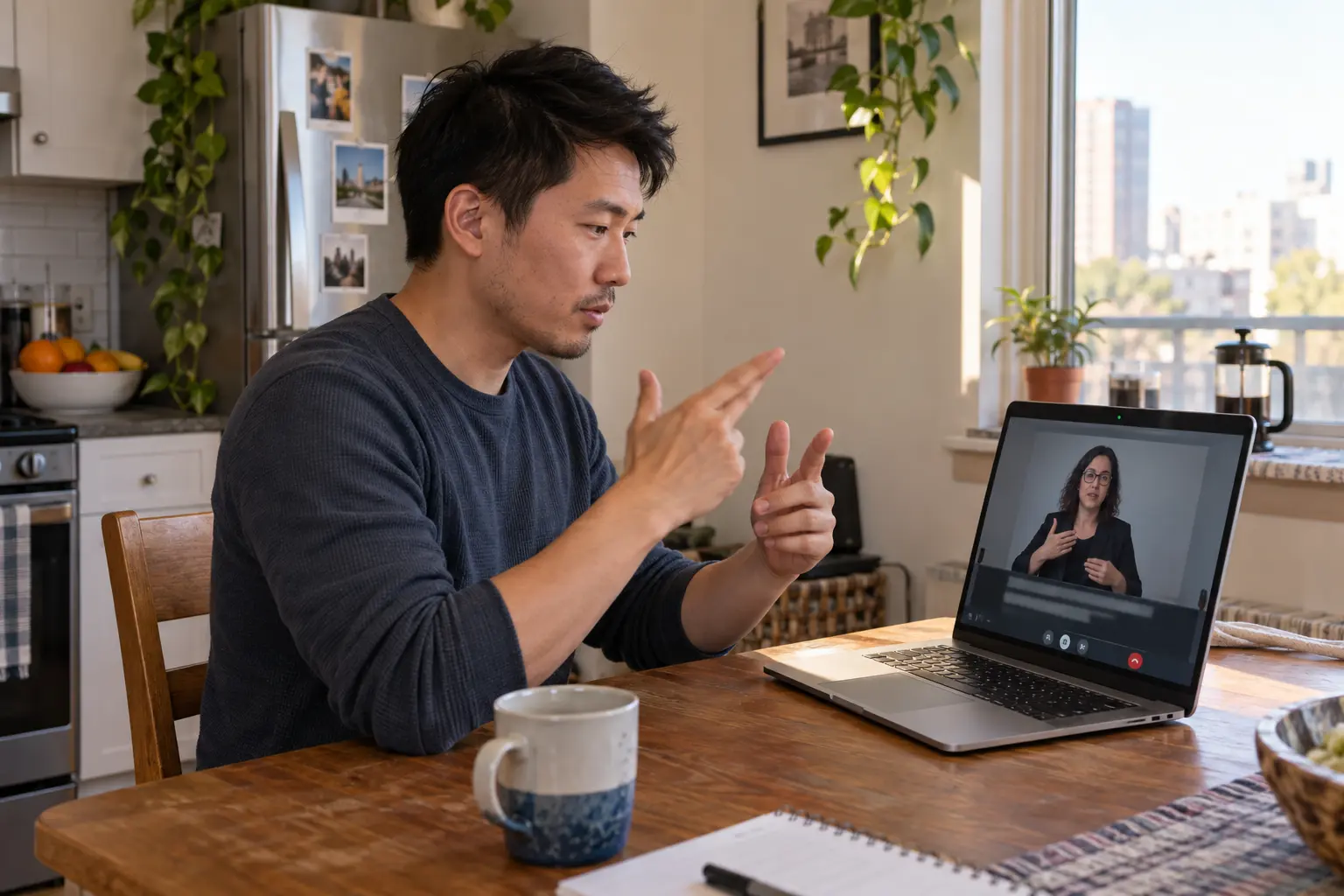
A Deaf adult participating in an accessible video conversation at home.

Communication access

You should be part of the conversation.

Captions, interpreters, and accessible video controls can determine whether a person receives the same information and service as everyone else.

Were you blocked from doing something routine?Tell us the task, the access method you use, and where the process stopped.

Tell us what happened

04 / FROM EXPERIENCE TO EVIDENCE

The details help your lawyers act.

A URL, date, failed task, screenshot, message, or receipt can help turn a frustrating experience into a clear record. We organize what happened so it can be evaluated, explained, and—when the law supports it—used to seek the relief the law allows.

What should I save?
WHEN

The date and sequence

When you encountered the barrier, whether you tried again, and whether the problem remained.

WHERE

The website or service

The address, page, app, business, facility, portal, or transaction involved.

WHAT

The task that failed

What you attempted, the technology you used, and what prevented independent access.

05 / WHAT HAPPENS NEXT

Three practical steps. No legal maze.

  1. 01

    Tell us the task

    What were you trying to buy, book, read, submit, or access?

  2. 02

    Preserve the record

    Keep the URL, date, screenshots, recordings, messages, receipts, and assistive technology used.

  3. 03

    Get a legal evaluation

    A lawyer reviews the facts, governing law, jurisdiction, evidence, and practical relief.

Tell us what happened

06 / ACCESS IN FOCUS

Official developments, explained for consumers.

What public enforcement and guidance reveal about meaningful website and digital access.

HEALTHCARE PORTALS

Healthcare access includes websites, patient portals, and mobile applications

A federal agreement addressed online services used for records, providers, results, and bills.

Read the analysis
OFFICIAL GUIDANCE

Online goods and services should be accessible to people with disabilities

DOJ guidance describes recurring barriers involving color, text alternatives, captions, forms, and keyboards.

Read the analysis

These official developments concern matters not handled by Usher Law Group. General information only; no outcome is predicted.

07 / QUESTIONS PEOPLE ASK

Clear answers before you decide what to do.

Every claim is fact-specific. These answers explain where an initial conversation usually begins.

A barrier may prevent a person using a screen reader, keyboard, captions, magnification, voice control, or another assistive technology from completing the same task available to other users.

ACCESS IS A CIVIL RIGHT

The barrier happened to you. The next move does not have to be yours alone.

Share the essential facts and learn whether the law may offer a path forward.

Tell us what happened (718) 484-7510